Best Mushroom Supplements for Heart Health in 2026

Medicinal mushrooms have been used in traditional wellness practices for centuries, and modern research is beginning to explore how compounds like beta-glucans, eritadenine, and ergothioneine may support cardiovascular health. With dozens of mushroom supplements now available, choosing the right one for heart health can be overwhelming. This guide examines the key mushrooms backed by research and what to look for when selecting a supplement in 2026.
Key Takeaway
Not all mushroom supplements are formulated with heart health in mind. The best options combine multiple mushroom species that target different cardiovascular pathways, including cholesterol metabolism, antioxidant defense, blood pressure support, and healthy circulation. Look for products made from whole fruiting bodies or standardized extracts, manufactured in cGMP-certified facilities with transparent ingredient labels.
Why Mushrooms for Heart Health?
Cardiovascular disease remains the leading cause of death globally, and maintaining healthy cholesterol, blood pressure, and circulation is central to long-term heart wellness. While pharmaceutical options exist, many adults are exploring natural approaches to complement their cardiovascular care.
Medicinal mushrooms contain a range of bioactive compounds that researchers have begun to study for their potential cardiovascular benefits. A 2024 systematic review published in Nutrition Research and Practice analyzed data from prospective cohort studies and clinical trials and found suggestive associations between mushroom consumption and improvements in blood glucose markers, HDL cholesterol-related indices, and inflammatory markers like hs-CRP. The review also noted a potentially beneficial connection with metabolic syndrome, although the authors emphasized that evidence remains limited and more research is needed [1].
Separately, a 2025 chapter published by Springer examining edible mushrooms and cardiovascular disease highlighted how mushroom-derived bioactive compounds, including polysaccharides, beta-glucans, triterpenoids, and ergosterols, may help support natural resistance against cardiovascular risk factors such as inflammation, oxidative stress, and unhealthy lipid levels [2].
Top Mushrooms for Cardiovascular Support
Not every mushroom species has the same cardiovascular profile. Here are the most studied varieties for heart health and what the available research suggests about each one.
Reishi (Ganoderma lucidum)
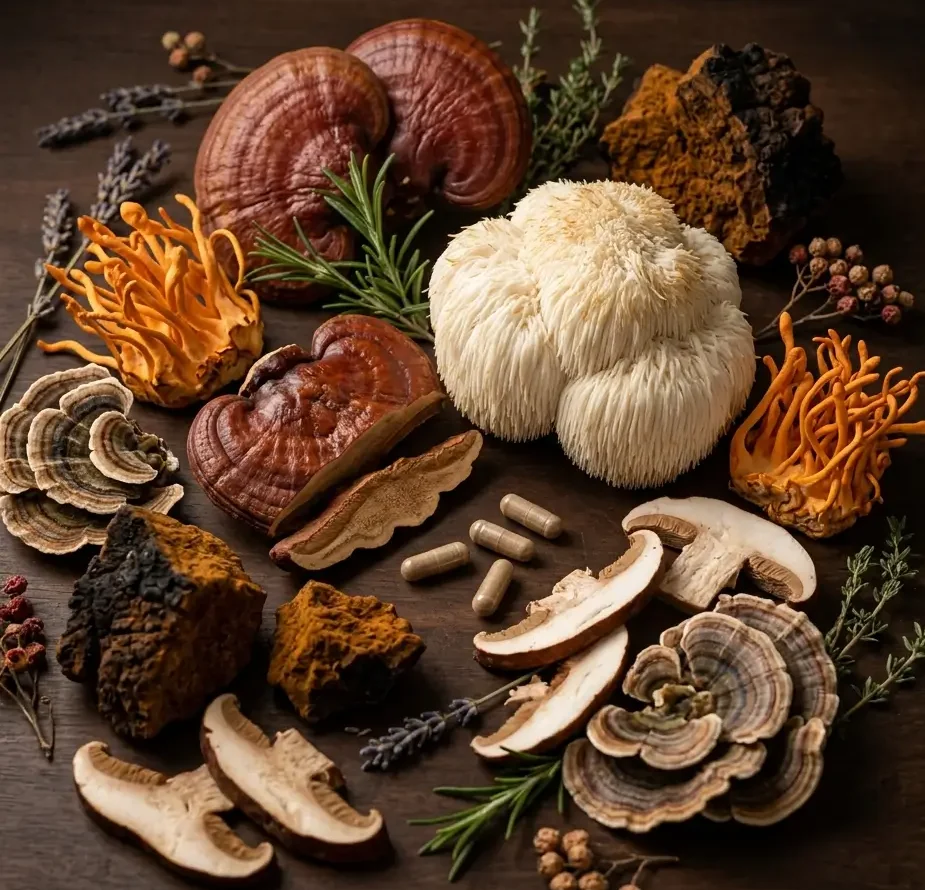
Reishi is one of the most widely studied medicinal mushrooms in cardiovascular research. It contains triterpenoids and polysaccharides that have been investigated for their potential role in supporting healthy lipid balance. Preliminary studies suggest reishi may help support HDL cholesterol levels and contribute to a healthy inflammatory response, though large-scale human trials are still limited.
Cordyceps (Cordyceps sinensis)
Cordyceps has a long history of use in traditional Chinese wellness practices for vitality and stamina. Modern research suggests it may support cardiovascular function by promoting healthy oxygen utilization and circulation. Many users report improved energy levels and reduced fatigue within the first few weeks of consistent use, making it a popular choice for adults concerned about both heart health and daily performance.
Shiitake (Lentinula edodes)
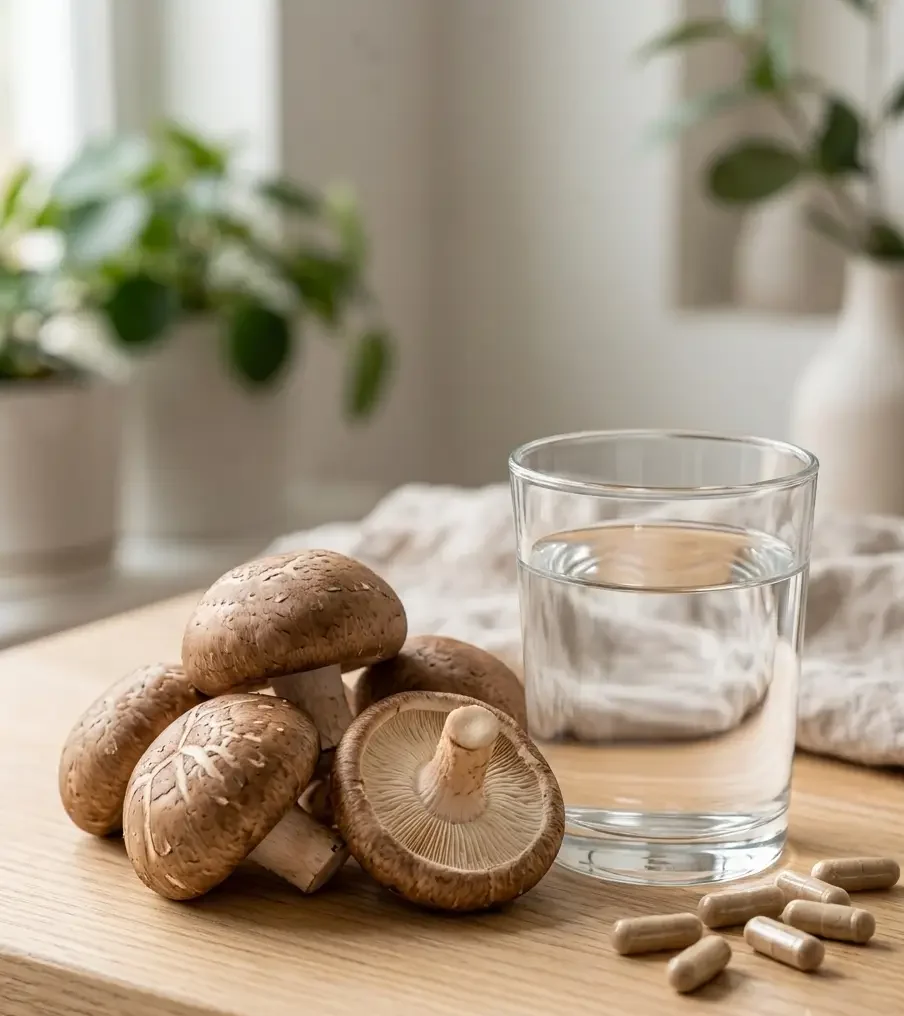
Shiitake mushrooms contain eritadenine, a naturally occurring compound that researchers have studied for its potential influence on cholesterol metabolism. They also provide beta-glucans, a type of soluble fiber associated with cardiovascular wellness. Among all culinary mushrooms, shiitake consistently appears in research focused on lipid health and has one of the longest track records of traditional use.
Lion's Mane (Hericium erinaceus)
Lion's mane is best known for its cognitive support properties, but emerging research also explores its potential role in fat metabolism and maintaining healthy triglyceride levels. For adults who want both mental clarity and cardiovascular support in a single supplement, lion's mane is a compelling option that addresses two major health concerns simultaneously.
Turkey Tail (Trametes versicolor)
Turkey tail is exceptionally rich in naturally occurring antioxidant compounds. Oxidative stress is considered a key contributor to arterial damage and long-term cardiovascular risk. By supporting the body's natural antioxidant defenses, turkey tail may help protect cardiovascular tissue from everyday environmental and metabolic stressors. It is also one of the most studied mushrooms for immune system support.
Maitake (Grifola frondosa)
Maitake mushrooms have been traditionally used to support healthy fat metabolism and overall metabolic balance. Preliminary research suggests maitake may contribute to maintaining healthy lipid levels, particularly in adults with metabolic concerns. It is often included in multi-mushroom heart health formulas alongside reishi and shiitake for a broader spectrum of cardiovascular support.
Chaga (Inonotus obliquus)
Chaga is valued for its high concentration of bioactive compounds that support the body's natural inflammatory response. Chronic low-grade inflammation is increasingly recognized as a driver of cardiovascular disease, making chaga a relevant addition to heart-focused mushroom supplements. It also provides betulinic acid and melanin, compounds associated with antioxidant and metabolic health support.
What to Look for in a Mushroom Heart Health Supplement
The mushroom supplement market has grown significantly, and not all products are created equal. When evaluating options for cardiovascular support, consider these factors:
- Multi-mushroom formulas: Heart health involves multiple pathways, from cholesterol metabolism to antioxidant defense. Supplements that combine several complementary mushroom species may offer broader support than single-mushroom products.
- Whole fruiting body or standardized extracts: Products made from whole fruiting bodies or standardized extracts generally contain higher concentrations of bioactive compounds compared to mycelium-on-grain products.
- Third-party testing and cGMP certification: Look for supplements manufactured in FDA-registered, cGMP-certified facilities with transparent labeling and third-party verification.
- No unnecessary fillers: Quality mushroom supplements should be free from artificial preservatives, excessive fillers, and unnecessary binders that dilute the active compounds.
- Clear dosage instructions: Effective dosing matters. Look for products that provide specific dosage guidance and list the amount of each mushroom extract per serving.
- Money-back guarantee: Since cardiovascular markers may take two to three months to show changes, a generous return policy allows adequate time to evaluate results.
The Bottom Line
Medicinal mushrooms represent one of the most promising natural approaches to cardiovascular wellness, with compounds like beta-glucans, eritadenine, and ergothioneine increasingly attracting research attention. While the science is still developing and no supplement replaces medical treatment, the available evidence suggests that certain mushroom species may offer meaningful support for adults looking to maintain healthy cholesterol, blood pressure, and overall heart function as part of a balanced lifestyle.
The most effective mushroom supplements for heart health tend to be multi-species formulas that target several cardiovascular pathways simultaneously, manufactured by reputable brands with transparent ingredient sourcing and certified quality standards. As always, consult your healthcare provider before adding any supplement to your routine, especially if you take prescription medications for cardiovascular conditions.
Frequently Asked Questions
Sources
- Kim, J. et al. (2024). "Mushroom consumption and cardiometabolic health outcomes in the general population: a systematic review." Nutrition Research and Practice, 18(2), 165-182.
- Lawal, E.E. et al. (2025). "Application of Mushrooms in the Management of Cardiovascular Diseases." Mushroom Biotechnology for Improved Agriculture and Human Health, Wiley/Springer.
Disclosure: Every product is independently selected by our editors. Things you buy through our links may earn us a commission. Learn more about our review process here.
Medical Disclaimer: This article is for informational purposes only and does not constitute medical advice. These statements have not been evaluated by the Food and Drug Administration. Always consult a qualified healthcare provider before starting any supplement.