
Green Tea Leaf Extract: Benefits, Uses and What Science Says

Green tea has been consumed for thousands of years across East Asia, valued both as a daily beverage and as a traditional wellness remedy. Today, green tea leaf extract is one of the most widely studied and popular supplement ingredients in the world, largely due to its exceptionally high concentration of EGCG (epigallocatechin gallate), a powerful polyphenol with documented antioxidant, anti-inflammatory, and metabolic properties. Here's what modern research says about its benefits, how it works, and what you should know before supplementing.
Key Takeaway
Green tea leaf extract is one of the most well-researched botanical ingredients available. Its primary active compound, EGCG, has been the subject of thousands of published studies examining its antioxidant capacity, cardiovascular support, metabolic effects, and anti-inflammatory properties. While it is not a miracle compound, the depth and consistency of the available evidence make green tea extract a science-backed addition to a healthy lifestyle.
What Is Green Tea Leaf Extract?
Green tea leaf extract is a concentrated form of the bioactive compounds found in the leaves of Camellia sinensis, the same plant used to produce green, black, and oolong teas. What makes green tea unique is its minimal processing: the leaves are steamed or pan-fired shortly after harvest, which preserves their natural polyphenol content far more effectively than the oxidation process used in black tea production.
The extract is particularly rich in catechins, a class of flavonoid polyphenols with potent antioxidant properties. EGCG (epigallocatechin gallate) is the most abundant and bioactive catechin in green tea, typically accounting for 50 to 80 percent of the total catechin content in standardized extracts. A single capsule of green tea extract can deliver the catechin equivalent of several cups of brewed green tea, making it a convenient and consistent way to obtain these compounds [1].
Research-Backed Benefits of Green Tea Leaf Extract
Green tea leaf extract has been studied more extensively than almost any other botanical supplement ingredient. Here are the areas where the scientific evidence is most robust.
Powerful Antioxidant Protection
EGCG is one of the most potent natural antioxidants identified in nutritional research. It neutralizes free radicals and activates the body's internal antioxidant defense pathways, including the Nrf2 pathway. A 2024 meta-analysis of randomized controlled trials found that green tea extract supplementation significantly reduced malondialdehyde (MDA), a key marker of oxidative stress, across multiple study populations [1].
Cardiovascular Support
Green tea extract has been widely studied for its potential cardiovascular benefits. A 2020 systematic review analyzing over 3,300 participants across 31 clinical trials found that green tea supplementation was associated with improvements in total cholesterol and LDL cholesterol levels. A separate 2023 review highlighted an association between regular green tea consumption and a lower risk of cardiovascular-related mortality. These effects are attributed to EGCG's ability to support endothelial function and reduce oxidative damage in blood vessels.
Metabolic Health and Weight Management
Green tea extract is one of the most studied natural compounds for metabolic support. EGCG may help promote fat oxidation and increase thermogenesis, the body's process of generating heat from calories. A 2021 systematic review found that green tea supplementation over 12 weeks was associated with meaningful reductions in body mass index and waist circumference when combined with dietary adjustments and regular exercise. A 2024 meta-analysis also noted significant reductions in body fat percentage and improvements in adiponectin levels in overweight individuals.
Inflammation and Immune Support
Chronic low-grade inflammation is recognized as a driver of numerous health concerns, from cardiovascular disease to metabolic dysfunction. EGCG exerts anti-inflammatory effects by inhibiting NF-kB and COX-2 pathways, two key mediators of the inflammatory response. A 2024 meta-analysis of randomized controlled trials found that green tea extract supplementation significantly decreased blood TNF-alpha levels, an important inflammatory marker, across multiple study populations [1].
Brain Health and Mental Clarity
Green tea contains both EGCG and L-theanine, a unique amino acid that promotes calm focus without drowsiness. Together, these compounds may support cognitive function, attention, and mental clarity. While large-scale clinical trials on cognitive decline prevention are still limited, preliminary research suggests that the antioxidant and anti-inflammatory properties of EGCG may help protect neural tissue from age-related oxidative damage.
Glucose Metabolism and Insulin Sensitivity
Emerging research has examined EGCG's potential role in supporting healthy blood sugar levels. A 2025 systematic review and meta-analysis of randomized controlled trials found that EGCG supplementation was associated with improvements in glycemic index markers. Additional studies suggest that EGCG may help support insulin sensitivity through its effects on pancreatic beta-cell function and mitochondrial health, though more research in human populations is needed.
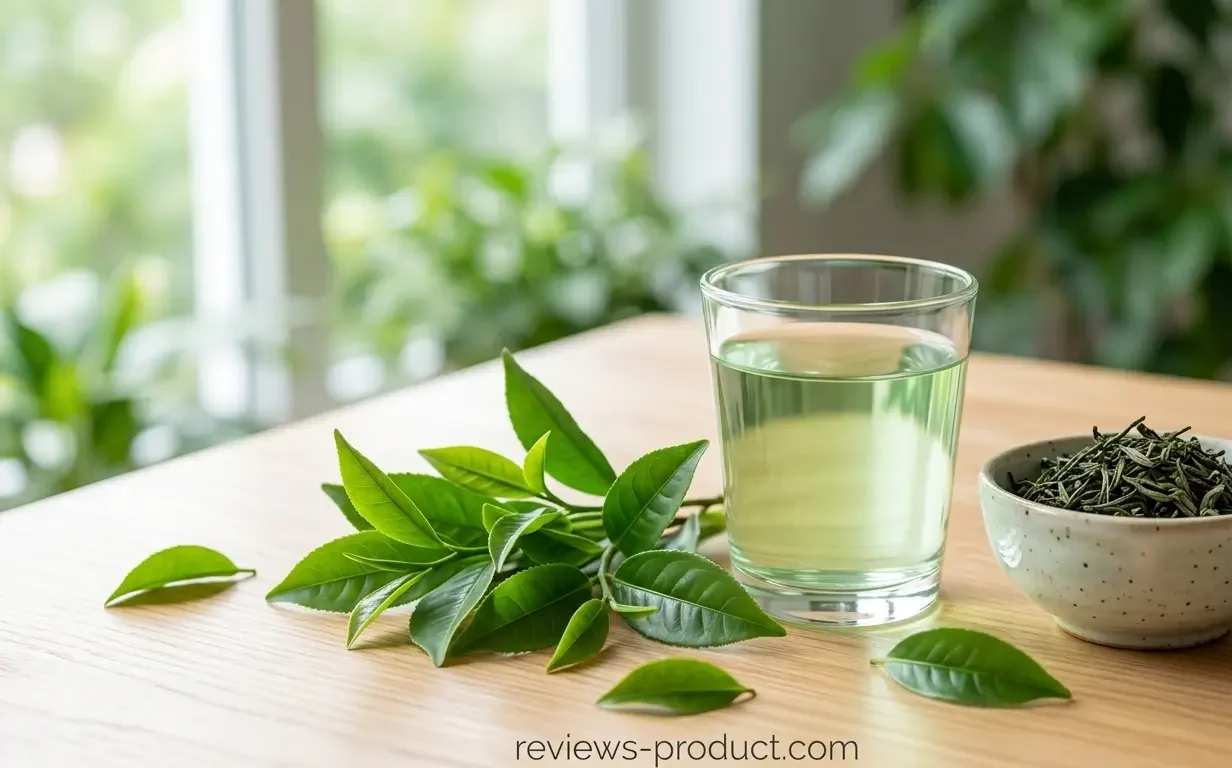
Fascinating Facts About Green Tea
Did You Know?
- It has been consumed for over 4,000 years — Green tea originated in China during the Shang Dynasty and has been used as both a beverage and a medicinal preparation across East Asia for millennia, making it one of the oldest health remedies still in widespread use today.
- One capsule equals multiple cups — A single standardized green tea extract capsule can deliver 250 to 500 mg of EGCG, roughly equivalent to the catechin content of 5 to 10 cups of brewed green tea, without the caffeine load of drinking that much tea.
- Minimal processing is the secret — Green tea, black tea, and oolong tea all come from the same plant, Camellia sinensis. The difference is processing. Green tea leaves are steamed or pan-fired immediately after harvest, preserving up to 30 percent more catechins than oxidized black tea leaves.
- EGCG has been the subject of over 17,000 published studies — A search of the PubMed database returns thousands of published research papers on EGCG, making it one of the single most studied natural compounds in nutritional science and pharmacology.
- Japan has the highest per-capita green tea consumption — Japanese adults consume an average of 3 to 5 cups of green tea daily. Japan also consistently ranks among the countries with the longest life expectancy, though diet and lifestyle factors beyond green tea certainly contribute.
- It works as both an antioxidant and an anti-inflammatory — Unlike many supplements that target only one pathway, EGCG simultaneously neutralizes free radicals, activates the Nrf2 antioxidant defense pathway, and inhibits NF-kB and COX-2 inflammatory pathways, providing multi-targeted cellular protection.
Safety Considerations
Green tea leaf extract is generally well-tolerated at recommended doses (250 to 500 mg of EGCG per day) when taken with food. The most commonly reported side effects are mild and digestive in nature, including nausea, stomach discomfort, or bloating, particularly when supplements are taken on an empty stomach.
Health authorities recommend staying below 800 mg of EGCG daily from supplements. Very high doses taken without food have been associated with rare cases of liver stress in some individuals. Choosing products from reputable manufacturers, following dosage guidelines, and taking green tea extract with meals substantially reduces this risk. Green tea extract may interact with certain medications, including blood thinners and some cardiovascular drugs. Pregnant or nursing women and individuals taking prescription medications should consult a healthcare provider before supplementing.
Frequently Asked Questions
Sources
- Filippini, T. et al. (2020). "Green tea (Camellia sinensis) for the prevention of cancer." Cochrane Database of Systematic Reviews. Additional supporting references: Haghighatdoost, F. & Hariri, M. (2019). "The effect of green tea on inflammatory mediators: A systematic review and meta-analysis of randomized clinical trials." Phytotherapy Research, 33(9), 2274-2287; Kapoor, M.P. et al. (2024). "Effects of green tea extract supplementation on oxidative stress biomarkers: A meta-analysis of randomized controlled trials." Nutrients.
Disclosure: Every product is independently selected by our editors. Things you buy through our links may earn us a commission. Learn more about our review process here.
Medical Disclaimer: This article is for informational purposes only and does not constitute medical advice. These statements have not been evaluated by the Food and Drug Administration. Always consult a qualified healthcare provider before starting any supplement.