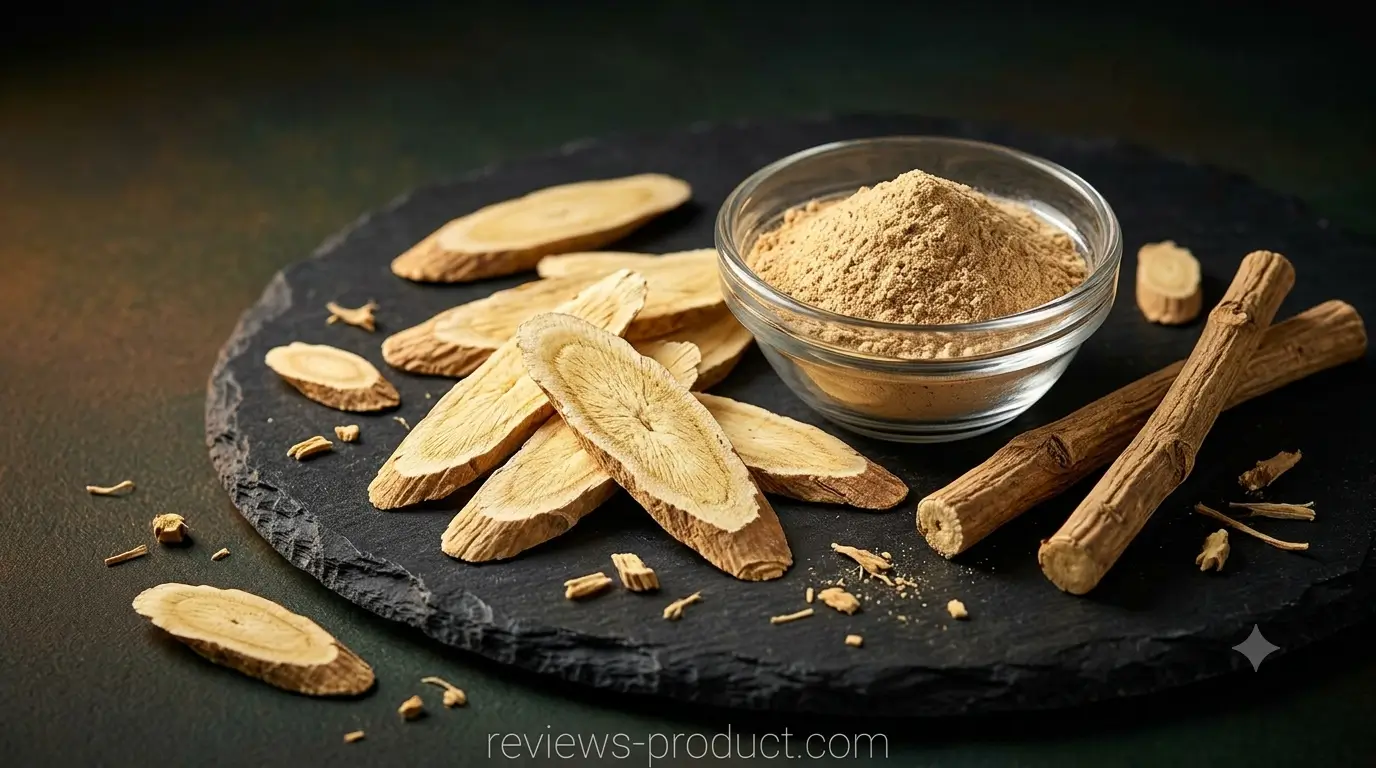
Astragalus Root Extract: Benefits, Uses and Fascinating Facts

Astragalus root has been a cornerstone of traditional Chinese medicine for over 2,000 years, valued as a powerful adaptogen and immune tonic. Known as "Huang Qi" in Chinese wellness traditions, it is one of the most widely prescribed herbs in Eastern medicine. Today, modern science is catching up to what practitioners have known for centuries, with a growing body of research exploring astragalus root extract's potential for immune support, cardiovascular health, anti-aging, and stress resilience.
Key Takeaway
Astragalus root extract is one of the most well-studied adaptogenic botanicals, with active compounds including polysaccharides, astragaloside IV, and flavonoids that work through multiple pathways. Rather than overstimulating the immune system, astragalus acts as an immunomodulator, helping the body achieve an optimal immune state. It also shows promise in cardiovascular support, anti-aging research, and stress management.
What Is Astragalus Root Extract?
Astragalus root extract comes from the root of Astragalus membranaceus (also classified as Astragalus mongholicus), a flowering plant in the legume family native to China, Mongolia, and Korea. The dried root has been sliced, ground, and brewed into medicinal preparations across East Asia for millennia, earning it the designation "Huang Qi," which translates roughly to "yellow leader" or "senior herb," reflecting its status as one of the most important herbs in the traditional Chinese medicine pharmacopoeia.
Modern standardized extracts concentrate the root's key bioactive compounds: polysaccharides that modulate immune function, astragalosides (particularly astragaloside IV) that provide antioxidant and anti-inflammatory activity, and flavonoids that support cardiovascular and cellular health. Unlike stimulant-based supplements, astragalus delivers gentle, sustained energy support without jitters or crashes, making it suitable for daily use as a foundational wellness ingredient [1].
Research-Backed Benefits of Astragalus Root Extract
Astragalus has been the subject of extensive pre-clinical and clinical research. Here are the areas where the scientific evidence is most developed.
Immune System Modulation
Astragalus is best known for its immunomodulating properties. Unlike compounds that simply stimulate immune activity, astragalus helps the body achieve a balanced immune response, supporting both innate and adaptive immunity. Research has demonstrated that astragalus polysaccharides enhance the activity of T-cells, natural killer cells, and macrophages. A study on competitive rowers found that athletes who took 500 mg of standardized astragalus extract twice daily for six weeks showed significantly less immune suppression following intense training compared to a placebo group.
Cardiovascular Support
Astragalus has attracted growing interest in cardiovascular research. A 2024 systematic review and meta-analysis published in Frontiers in Cardiovascular Medicine found that adding astragalus to standard heart failure treatment improved ejection fraction by approximately 5.8 percentage points. The extract's active compound, astragaloside IV, has been shown to support blood vessel relaxation and provide antioxidant protection to cardiovascular tissue. A 2023 review in Frontiers in Pharmacology further detailed astragaloside IV's protective mechanisms in cardiovascular conditions [1].
Telomere and Longevity Research
One of the most intriguing areas of astragalus research involves telomere biology. Telomeres are protective caps on the ends of chromosomes that shorten with each cell division, contributing to the aging process. Certain compounds in astragalus, particularly cycloastragenol and astragaloside IV, have been studied for their potential to activate telomerase, the enzyme responsible for maintaining telomere length. While this research is still in its early stages, it has generated significant interest in the longevity and anti-aging research community.
Stress Response and HPA Axis Support
As a true adaptogen, astragalus helps the body manage both physical and mental stress more effectively. Research suggests it modulates the hypothalamic-pituitary-adrenal (HPA) axis, which governs the body's cortisol and stress hormone response. This adaptogenic activity helps promote resilience during periods of physical exertion, emotional stress, or seasonal challenges, without the overstimulation associated with caffeine or synthetic stimulants.
Antioxidant and Anti-Inflammatory Protection
Astragalus root extract provides broad antioxidant and anti-inflammatory activity through its flavonoid and astragaloside content. A 2025 comprehensive review confirmed that astragalus exerts anti-inflammatory and antioxidant effects across multiple organ systems and activates specific protective neural pathways. These properties help protect cells and tissues from oxidative damage, a key driver of age-related health decline and chronic disease [1].
Energy and Fatigue Reduction
Traditional practitioners have used astragalus as an anti-fatigue tonic for centuries, and modern research supports this application. A 2025 meta-analysis of randomized controlled trials found that adding astragalus to standard care significantly reduced fatigue scores and improved quality-of-life measures in patients undergoing cancer treatment. For healthy adults, astragalus may help maintain sustained energy levels and reduce the impact of physical or mental exhaustion on daily performance.
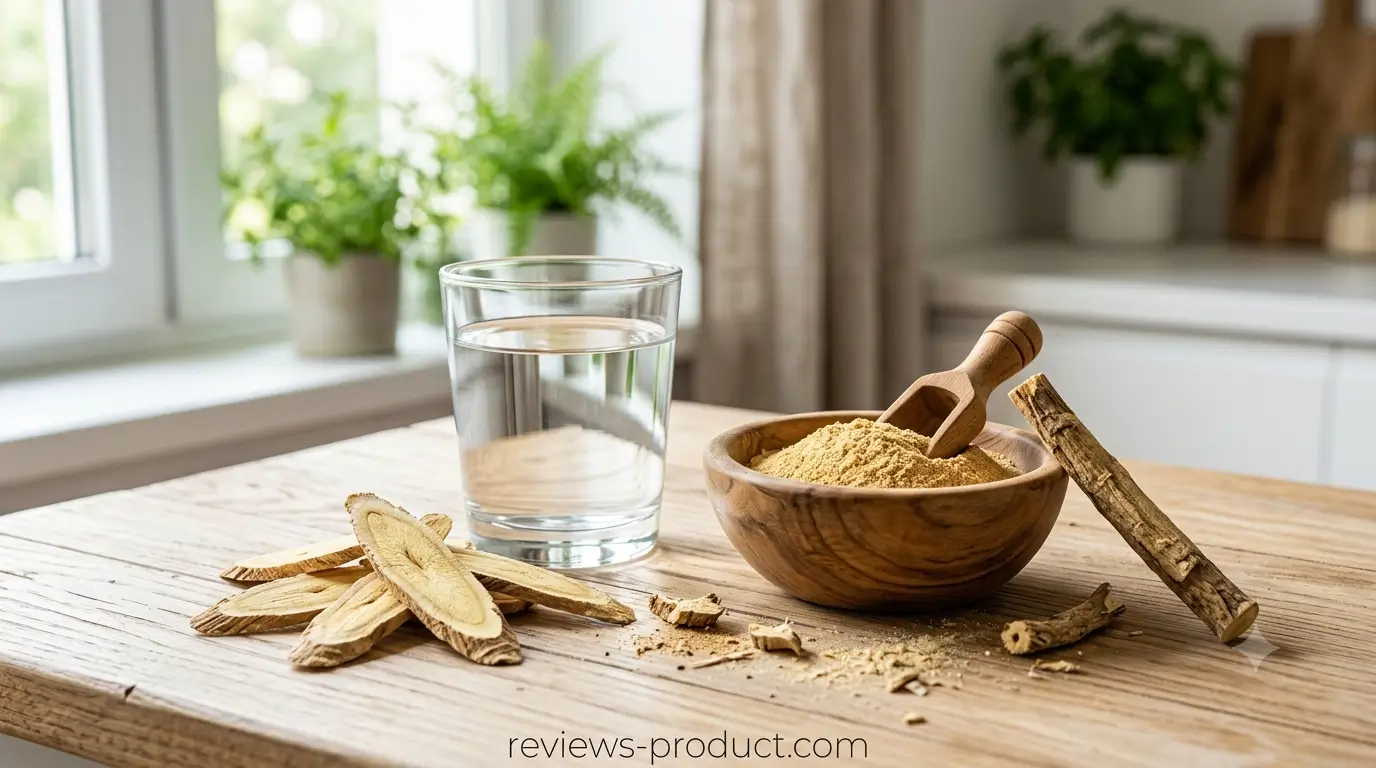
Fascinating Facts About Astragalus
Did You Know?
- "Huang Qi" means "yellow leader" — The Chinese name for astragalus root reflects both the yellow color of the dried root interior and its elite status as one of the most important herbs in the traditional Chinese medicine system, where it has been prescribed for over 2,000 years.
- It belongs to the legume family — Astragalus is part of the Fabaceae family, the same botanical family as beans, lentils, and peanuts. With over 3,000 species in the genus, Astragalus membranaceus is the primary species used in medicinal applications.
- It was used to build the Great Wall of China — According to traditional accounts, astragalus root tea was given to laborers during the construction of the Great Wall to help sustain their energy and strengthen their resistance to illness during years of grueling physical work.
- It may activate the "immortality enzyme" — Cycloastragenol, a compound derived from astragalus, is one of the few natural substances studied for its potential to activate telomerase, the enzyme that maintains telomere length. This has made astragalus a subject of intense interest in the longevity research community.
- Elite athletes use it for immune protection — Research has shown that competitive rowers taking astragalus extract during heavy training periods maintained stronger immune function compared to those on placebo, addressing the well-documented phenomenon of exercise-induced immune suppression.
- It's an immunomodulator, not just an immune booster — Unlike echinacea or elderberry, which primarily stimulate immune activity, astragalus works as a modulator, helping the immune system find balance. This makes it uniquely suited for daily use rather than just seasonal or acute supplementation.
Safety Considerations
Astragalus root extract has a long history of traditional use and is generally considered well-tolerated in healthy adults at typical supplement doses. Side effects are rare and mild, with occasional reports of digestive discomfort or allergic reactions in individuals sensitive to legumes.
However, because astragalus modulates immune function, it is not recommended for individuals with autoimmune conditions such as rheumatoid arthritis, lupus, or multiple sclerosis without medical supervision. It may also interact with immunosuppressive medications, blood thinners, blood pressure drugs, and diabetes medications. Pregnant or nursing women and individuals under 18 should consult a healthcare provider before using astragalus supplements.
Frequently Asked Questions
Sources
- Zhang, X. & Lin, B. et al. (2025). "Research Progress on the Treatment of Related Diseases With Astragalus." Drug Design, Development and Therapy, 19, 2639-2658. Additional supporting references: Yang, C. et al. (2023). "Review on the Protective Mechanism of Astragaloside IV against Cardiovascular Diseases." Frontiers in Pharmacology, 14, 1187910; Han, X. et al. (2024). "Effect of astragalus injection on left ventricular remodeling in HFmrEF: a systematic review and meta-analysis." Frontiers in Cardiovascular Medicine, 11, 1374114.
Disclosure: Every product is independently selected by our editors. Things you buy through our links may earn us a commission. Learn more about our review process here.
Medical Disclaimer: This article is for informational purposes only and does not constitute medical advice. These statements have not been evaluated by the Food and Drug Administration. Always consult a qualified healthcare provider before starting any supplement.